How did the death of a mascot spark the revival of an entire brand?
When looking at some recent marketing campaigns from various high-profile brands, a few stand out. Duolingo’s recent marketing campaign centered around the death and revival of their well-known green mascot, Duo. But what made this bold, unique strategy so successful, and why is this popular educational platform one of the leading examples of the importance of brand personality?
This blog is going to dig deeper into Duolingo’s campaign through our point of view, highlighting what they did well, noting some potential drawbacks, and discuss why finding your own voice within your brand is important to crafting successful marketing initiatives.
Duolingo’s Bold Marketing Campaign
How:
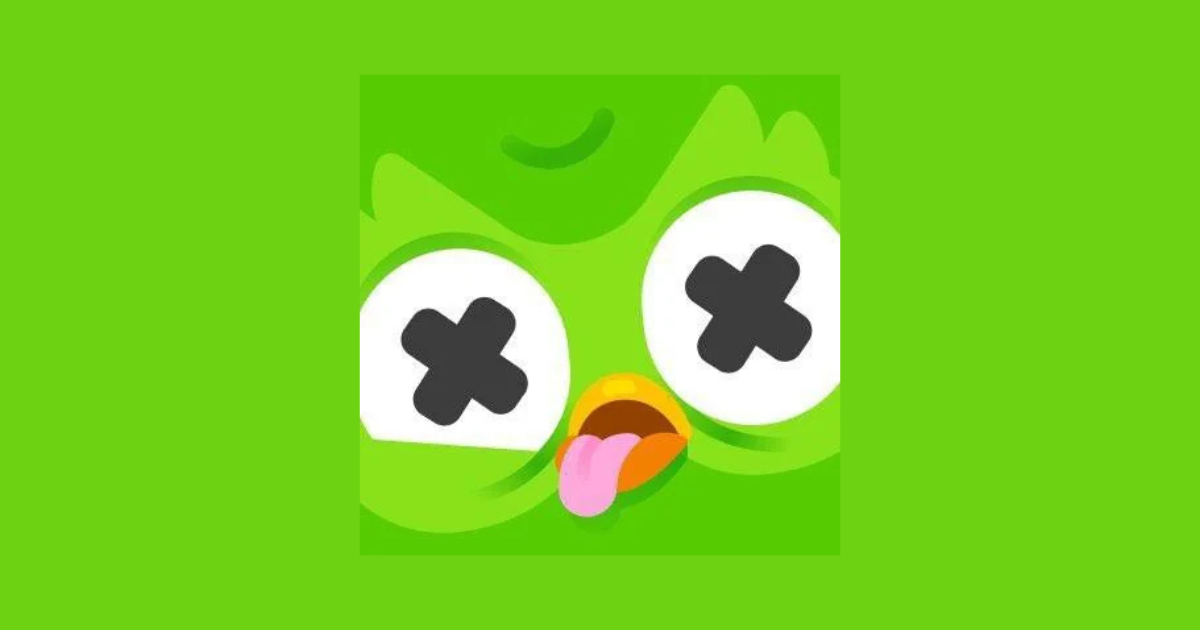
Duolingo kicked off their marketing campaign with a single move: changing their app’s icon to add X’s over Duo’s eyes, effectively killing the mascot with one update. As users began to buzz about the sudden change in the app’s appearance, they proceeded to upload a video showing Duo getting hit by a cybertruck. As word spread amongst users and non-users alike that the fan-favorite Duolingo mascot had died, the brand went a step further, inviting users to engage with their app daily on a mission to bring the beloved mascot back to life. Through collecting 50 billion XP worldwide, Duolingo encouraged their users to return to the app with a renewed sense of purpose; revive the beloved mascot.
What:
This specific marketing campaign was designed specifically for social media platforms, such as TikTok, X, and Instagram, taking advantage of Duolingo’s unique and coined “unhinged” presence there. Due to the mascot’s popularity, the brand had no trouble gaining traction with their audience in the campaign, even receiving engagement from other brands and celebrities, including singer-songwriter Dua Lipa. Through engaging users rather than just utilizing tactics like passive marketing, Duolingo was able to yield impressive results through unconventional methods of marketing.
Why:
The intention behind their unconventional marketing strategy was to generate a large amount of online, organic content. It was their hope that they could stir up enough engagement within their online community to make the initiative worth the effort and risk. Duolingo was able to use their expansive online presence to incentivize users to engage daily with their app, leading to a significant increase in activity on the platform.
Business Results
This bold marketing campaign yielded undeniable results for the popular educational platform, with one analysis noting that Duolingo’s online presence during the first couple weeks of February was impressive, stating that Duo was mentioned 169,000 times online and that conversation spiked 25,560% on just the first day of the initiative alone. They achieved their goal of generating wider recognition for the brand, in addition to simply generating buzz around the name.

Potential Drawbacks to this Bold Style of Marketing
Duolingo relies heavily on their daring, novel approaches to marketing, trusting that their audience will engage with the content that they put out, which is not always the strongest foundation for a brand to rest on. There is always the underlying risk that the jokes and content Duolingo puts out might not be well received, making it difficult to guarantee the longevity of this strong, unconventional style of marketing. That being said, like any marketing approach, mitigating risk is possible with the right strategies and guardrails in place.
Why This Approach Worked for Duolingo
There are a few reasons that Duolingo gambled with this marketing approach and came out on top. Firstly, around 60% of the brand’s daily users are Gen Z and Millennials. Since Duolingo has spent years building up an online presence that attracted audiences primarily aged 16-34, there was less risk involved with this approach, as they were appealing to an audience that expected and enjoyed this kind of content. Being such a well-known and popular brand, they also had the support and attention of other big names and companies, all helping them to successfully engage in a bold marketing initiative that proved the importance of strong brand personality.
Why You Need to Find Your Own Voice
The bottom line is that Duolingo was successful in their marketing campaign because of their strong brand personality.
If you want your own brand to stand out amidst a sea of competitors, realizing and defining a unique brand identity is key. Through portraying a consistent, crafted voice within the content being put out, you are making your brand more personal as you showcase a preview of the people behind the name, which is what it is all about. Since customers relate on a higher level to brands that they find enjoyable to interact with and follow across platforms, shaping a consistent perception of your brand and who you are is key.
Duolingo found success in this campaign because of their established, consistent, and strong brand personality. Audiences expected humor, fun, and playfulness, and that is what was delivered to them. This is what set their approach apart from other initiatives.
So, how do you begin your journey into finding your own voice within your brand?
Designed and developed for pioneers like you, Fortress has the tool to get you on your way to creating a brand personality that is all your own. Through our immersive Brandstorm service, we help you discern how to be the best advocate for the customers you serve, finding how best to tailor your brand personality to appeal to and support them. We can help you craft an identity that is a step above your competitors; something that is yours completely.